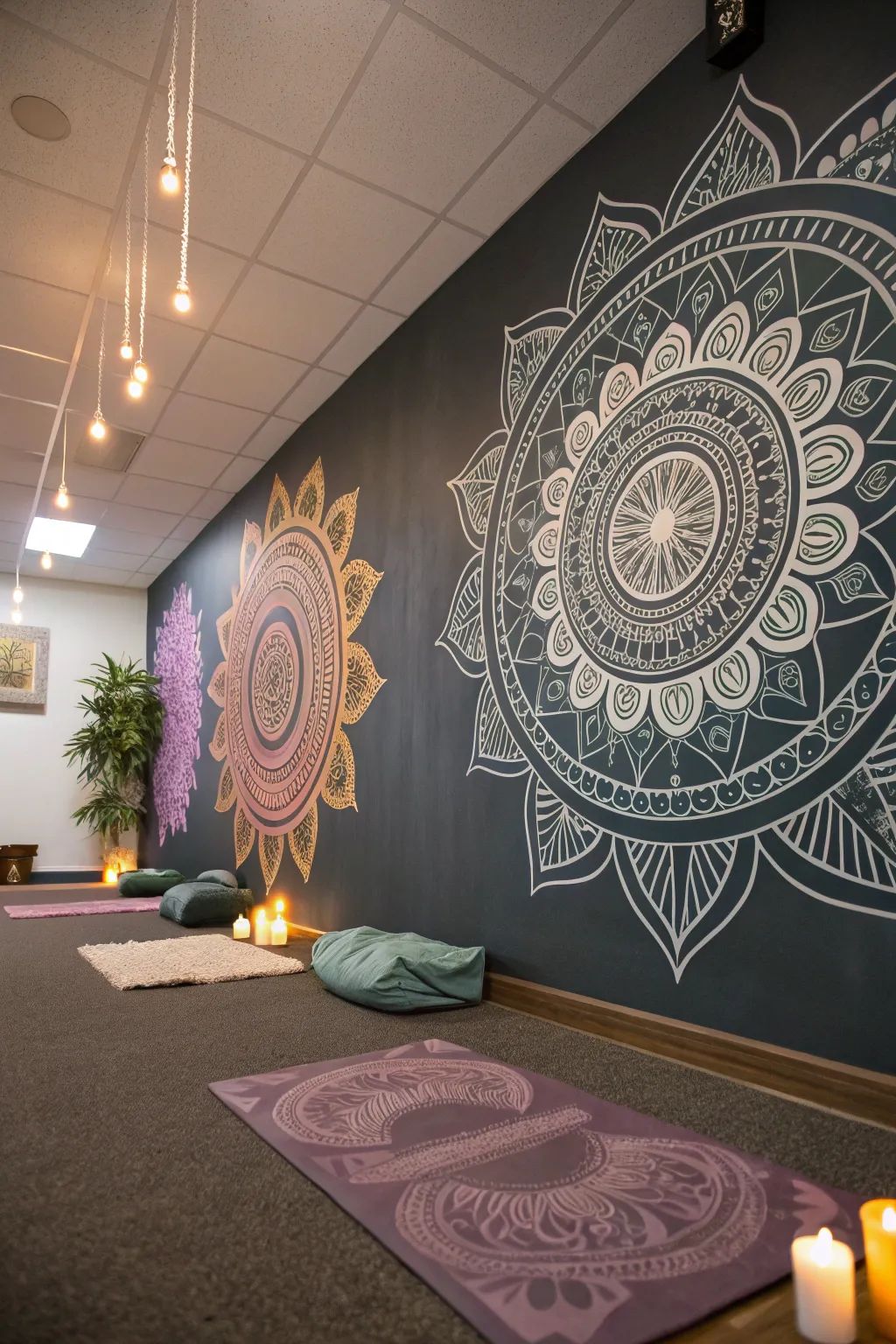
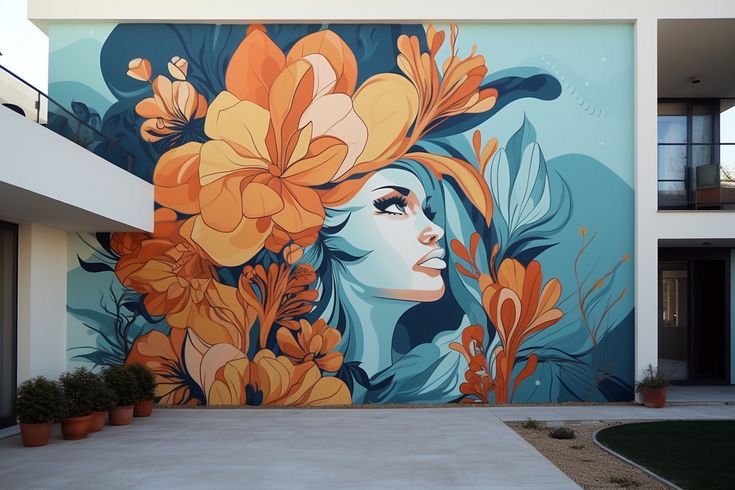
Fresco Murals

Material:
  • Lime plaster (wet or dry)
  • Pigments mixed with water
Uses:
  • Historical or religious storytelling
  • Architectural decoration (e.g. cathedrals, palaces)
Features:
  • Long-lasting and durable
  • Integrated into the wall surface
  • Seen in Renaissance and Ancient Roman art (e.g., Michelangelo’s Sistine Chapel)
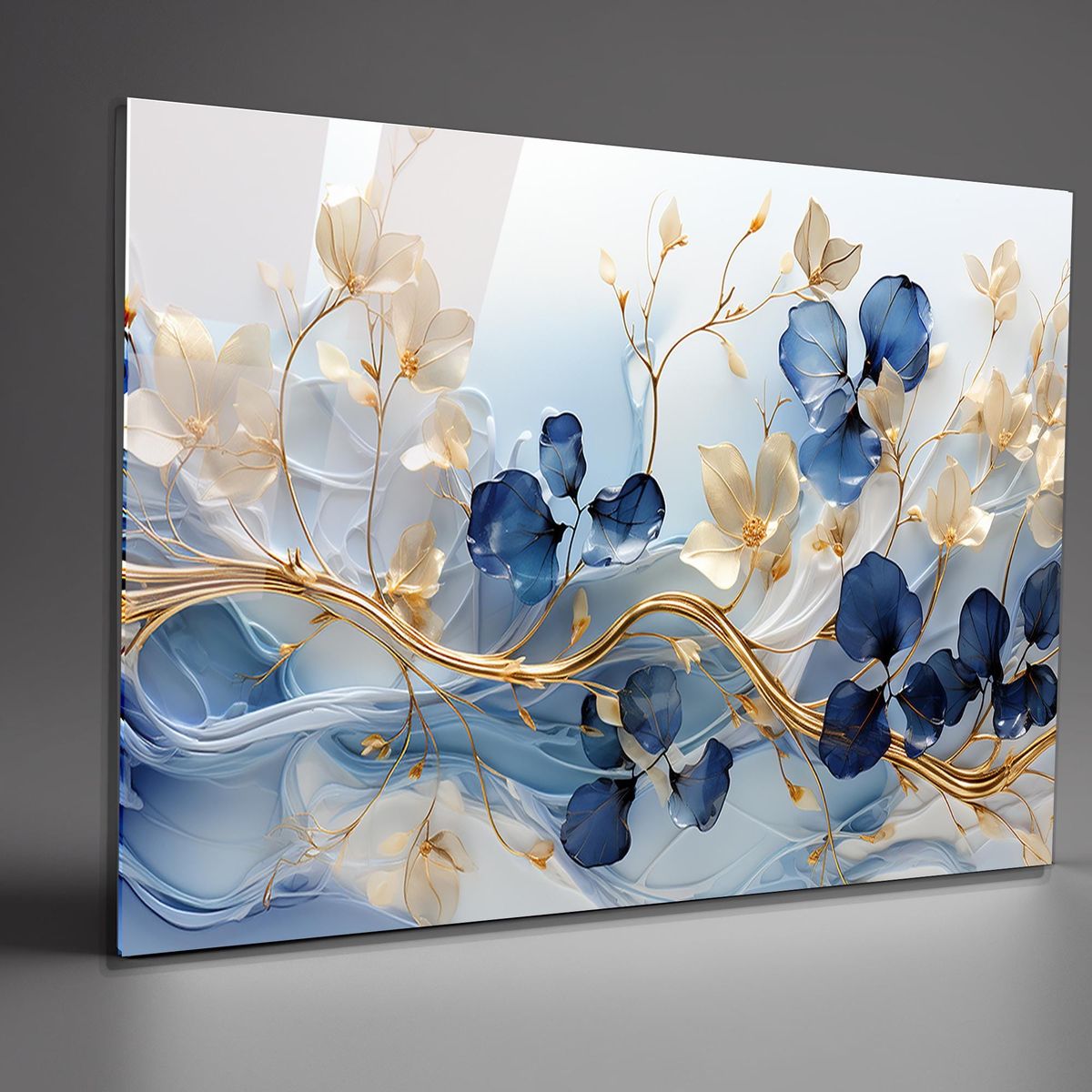
Acrylic Murals

Material:
  • Acrylic paint on walls, wood, or canvas
  • Sometimes combined with varnishes for weatherproofing
Uses:
  • Indoor and outdoor art
  • Community projects and urban beautification
Features:
  • Vibrant and fast-drying
  • Water-resistant and UV-stable
  • Easy to clean and maintain

Oil-Based Murals

Material:
  • Oil paints on prepared wall surfaces or canvas
Uses:
  • Detailed, realistic murals in galleries, museums, or historical buildings
Features:
  • Rich texture and color depth
  • Longer drying time allows blending
  • Less commonly used for large outdoor murals due to cost and drying time

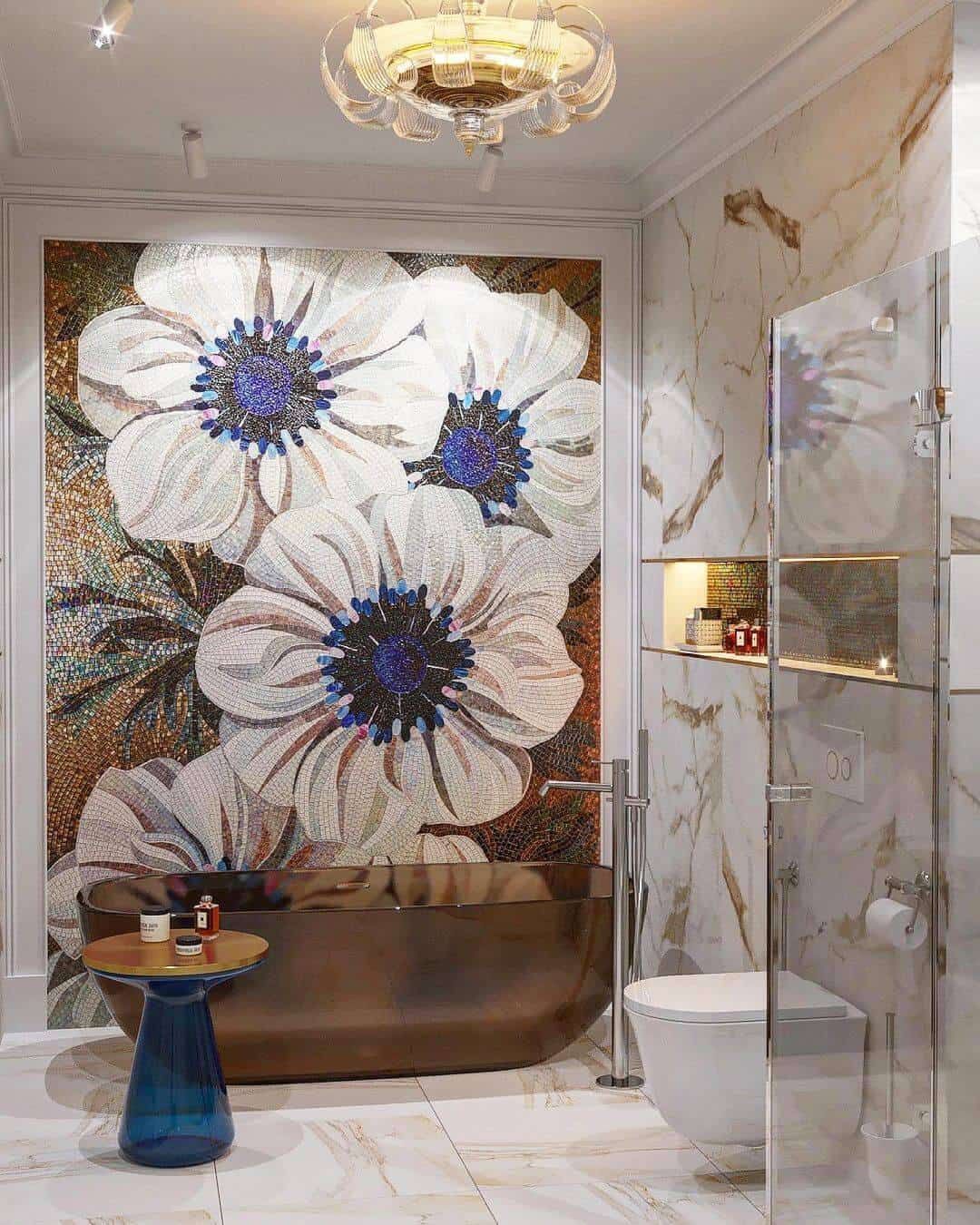
Tile Murals (Mosaic)

Material:
  • Ceramic, glass, or stone tiles
  • Adhesives and grout
Uses:
  • Decorative walls, fountains, kitchens, and public plazas
Features:
  • Highly durable and waterproof
  • Geometric or illustrative designs
  • Resistant to weather and wear

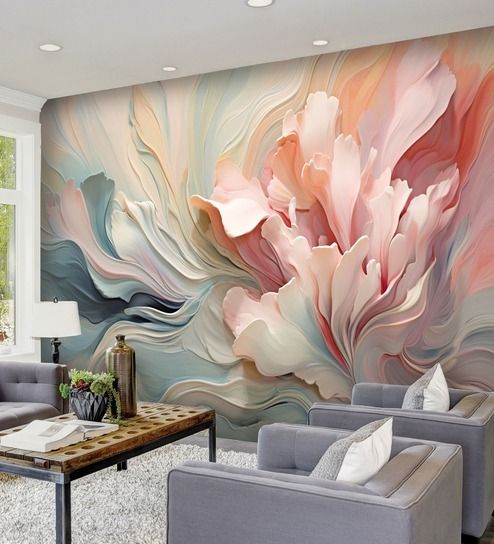
Digital Murals / Printed Murals

Material:
  • Digital print on vinyl, canvas, or wallpaper
  • Applied using adhesive or mounted panels
Uses:
  • Office interiors, commercial spaces, exhibitions
Features:
  • Fast production and easy installation
  • Customizable with photography, branding, or graphic designs
  • Reproducible and cost-effective

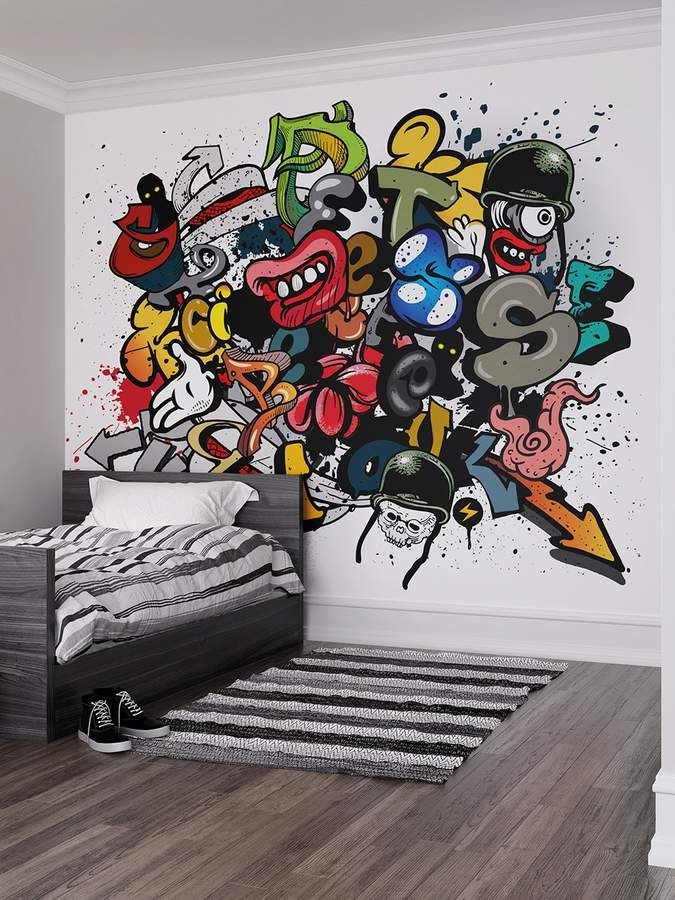
Graffiti or Spray Paint Murals

Material:
  • Spray paint, stencils, sometimes combined with brushwork
Uses:
  • Street art, social commentary, cultural expression
Features:
  • Bold, expressive style
  • Often spontaneous or improvised
  • May include tagging, lettering, or illustrations

Chalk or Temporary Murals

Material:
  • Chalk or pastel on pavement, walls, or blackboards
Uses:
  • Festivals, performances, temporary installations
Features:
  • Impermanent and non-damaging
  • Easily altered or erased
  • Often interactive or live-drawn